
Free Consultation With a Fiduciary Advisor
Get a free custom retirement plan from a licensed fiduciary advisor — plus our 20-page retirement guide, instantly. No cost, No obligation.
Get a free custom retirement plan from a licensed fiduciary advisor — plus our 20-page retirement guide, instantly.
What's Included:
Start Here — It's Free

Retirement Planning Guide (Sent Instantly)
Complete Financial Snapshot and Plan Assessment
Risk Analysis of Your Current Allocation
Custom Actionable Plan to Achieve Your Goals
No Planning Fees - All Planning Fees Waived, 100% Free
Fill out the form below and we'll build your custom retirement plan — and send you our 20-page retirement guide instantly.
By submitting, you agree to be contacted by 212 Wealth Management via phone, text, or email, including automated or AI-assisted messages. Reply STOP to opt out at any time.
What you'll get:
#1.
Complete Financial Snapshot
& Plan Assessment

We map out your full financial picture across assets, debts, income, and expenses, then show you exactly whether your current plan is built to get you where you want to go.
#2.
Risk Analysis of
Your Current Position
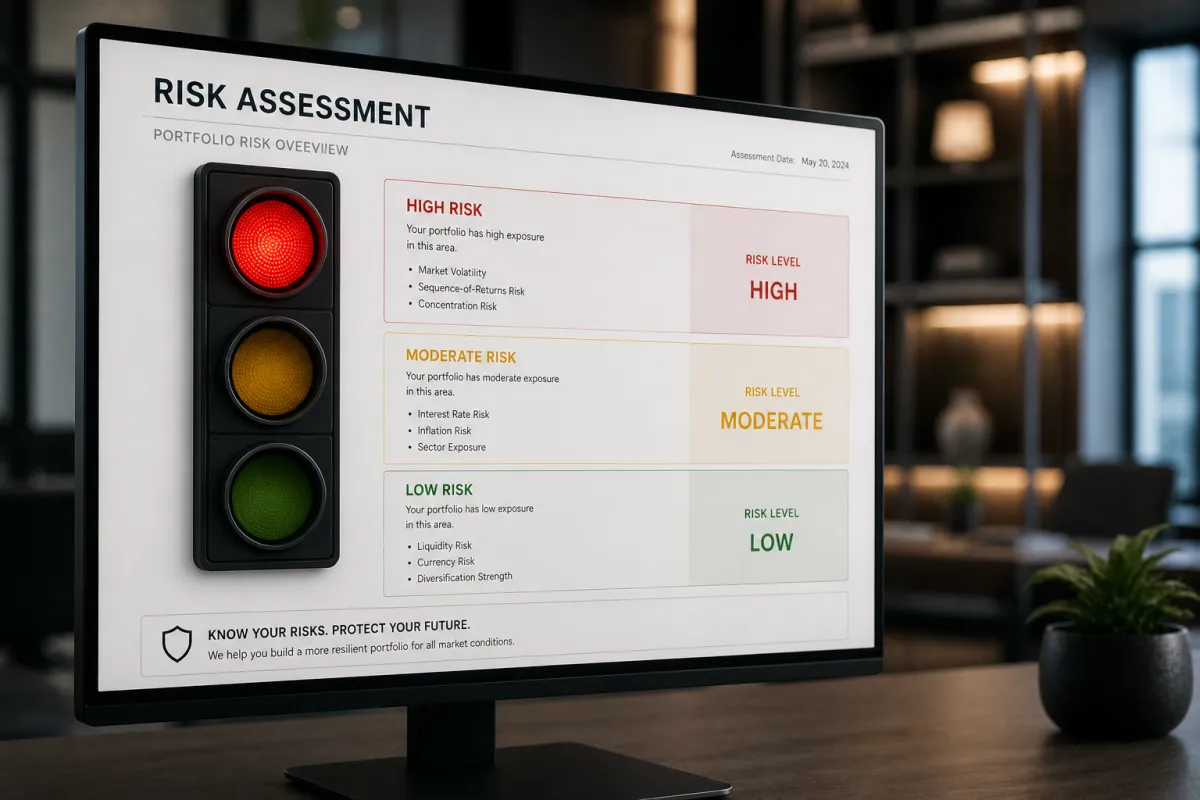
Find out how much risk you're really carrying. We assess your exposure to market downturns, interest rate shifts, and sequence-of-returns risk so you know exactly where you're vulnerable before it costs you.
#3.
Personalized Roadmap
to Your Goals
You leave with a clear, custom plan built around your numbers, your timeline, and your goals. No generic advice, just a defined path forward and the steps to get there.
Our Mission:
We believe all people should have a financial advisor that is constantly looking over their client’s financial well being.
This advisor should be their fiduciary and help them achieve their financial goals as well as protect them against the unknown.
Our Solutions:
Financial Planning
Investment Management
Financial planning is the process of creating a comprehensive strategy to manage your finances and achieve long-term goals. It involves assessing your current financial situation, setting objectives such as saving for retirement, buying a home, or funding education, and developing a plan to reach those goals. This typically includes budgeting, saving, investing, and managing debt.
Investment management is the process of managing financial assets to achieve specific investment goals. It involves selecting and overseeing a portfolio of investments, such as stocks, bonds, and real estate, based on an individual’s financial objectives, risk tolerance, and time horizon.
Investment managers analyze market conditions, make decisions about asset allocation, and adjust the portfolio as needed to optimize returns while managing risk. The aim is to grow wealth over time and meet long-term financial goals.
Risk Management
Fiduciary Guidance
Risk management is the process of identifying, assessing, and prioritizing potential risks that could negatively impact an individual financial well-being. It involves developing strategies to mitigate, transfer, or accept these risks to minimize their potential impact.
Common approaches include purchasing insurance, diversifying investments, implementing safety measures, and establishing contingency plans. The goal of risk management is to protect assets and ensure financial stability in the face of uncertainties.
A fiduciary is a person legally and ethically obligated to act in the best interests of another party, typically in financial or trust-related matters. Fiduciaries manage assets, provide advice, and make decisions that prioritize the beneficiary’s needs over their own. This role requires a high level of trust, loyalty, and care, ensuring that the fiduciary acts with integrity and transparency.